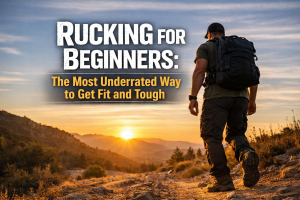
Why Rucking for Beginners Is Gaining Ground
If you’re tired of complicated fitness plans, expensive gym memberships, and workouts that feel disconnected from real life, you’re not alone. Many people want a form of training that is simple, effective, and builds real-world toughness. That’s exactly why rucking for beginners is quickly becoming a go-to fitness method for people who want results without fluff.
Rucking is nothing more than walking with weight on your back. But don’t let the simplicity fool you. This underrated activity delivers powerful benefits for strength, endurance, fat loss, and mental grit. For beginners especially, rucking offers a low-barrier way to get fit without the injury risk of high-impact workouts.
In this guide, you’ll learn what rucking is, why it works so well, and how to get started safely—even if you’re brand new to fitness.

What Is Rucking? A Simple Definition
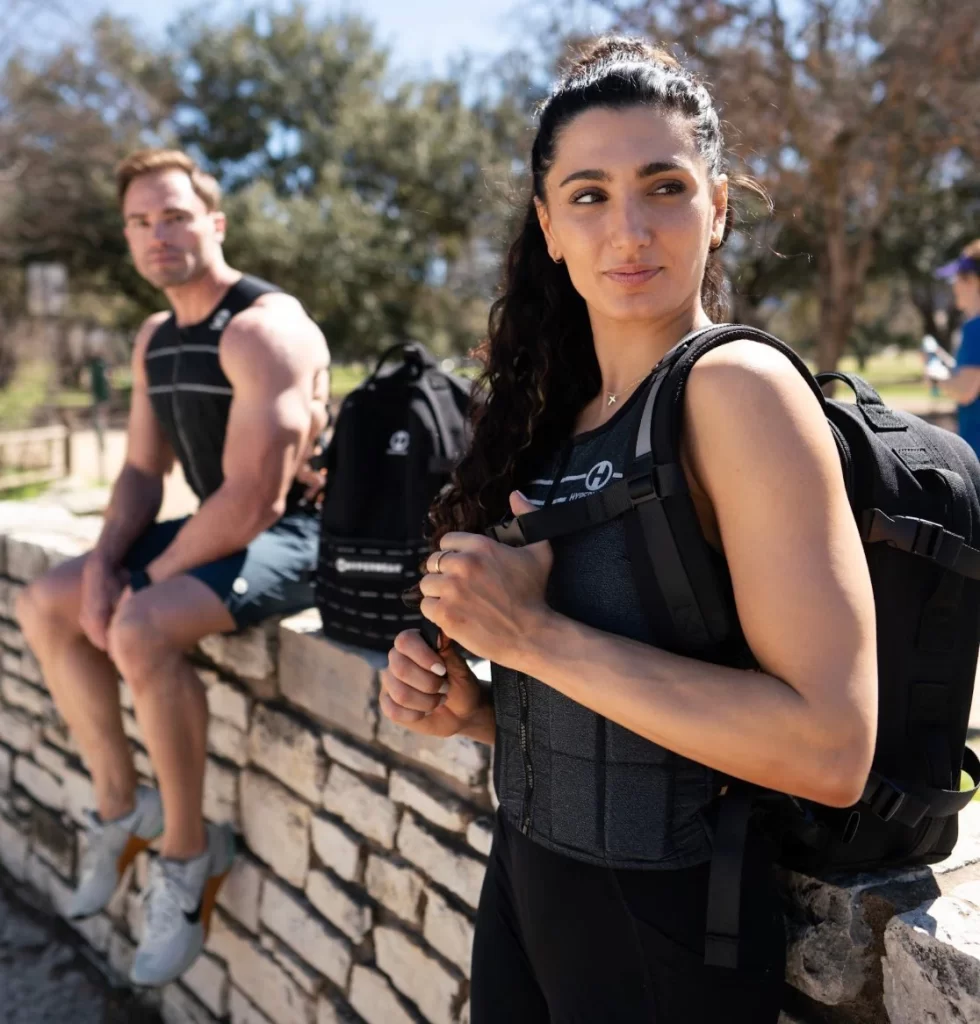
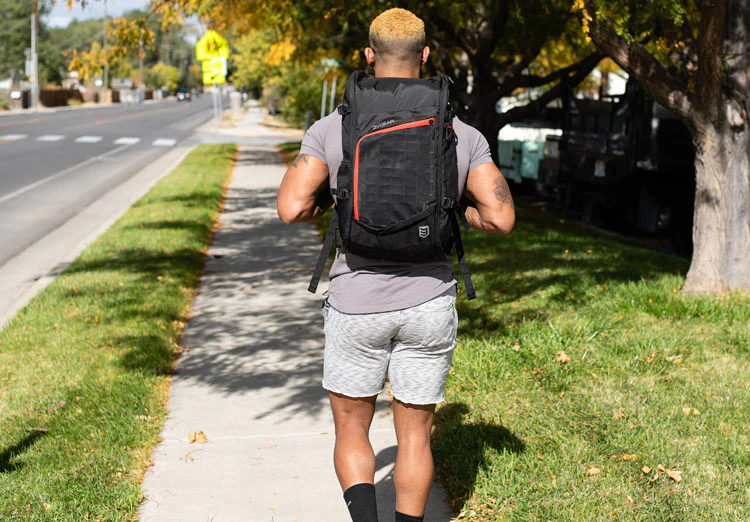
Rucking originated in military training, where soldiers carry heavy packs over long distances. In civilian fitness, rucking has been adapted into a scalable workout that almost anyone can do.
At its core, rucking means:
- Wearing a backpack (or rucksack)
- Adding weight to it
- Walking for distance or time
That’s it. No machines. No complex routines. Just movement plus resistance.
For rucking for beginners, the beauty lies in how adaptable it is. You control the weight, pace, and distance, making it easy to start slow and progress steadily.
Why Rucking Is Perfect for Beginners
Many beginners quit fitness programs because they’re too intense, too confusing, or too punishing on the body. Rucking avoids those traps.
Low Impact, High Reward
Unlike running or jumping workouts, rucking keeps one foot on the ground at all times. This drastically reduces stress on your joints while still increasing cardiovascular demand.
Natural Progression
You don’t need to lift heavier weights every week or master complex movements. Progress can be as simple as:
- Adding 5 more pounds
- Walking a little farther
- Tackling a hill instead of flat ground
Real-World Strength
Rucking builds the kind of strength that transfers to daily life, carrying groceries, hiking, working outdoors, or handling physically demanding tasks.
For anyone exploring rucking for beginners, this combination of safety and effectiveness is hard to beat.
The Physical Benefits of Rucking
Rucking may look simple, but it challenges your entire body.
Full-Body Strength
- Legs: Quads, hamstrings, calves, and glutes work harder with added weight.
- Core: Your abs and lower back stabilize the load.
- Upper body: Shoulders and traps support the pack.
Cardiovascular Endurance
Walking with weight elevates your heart rate without forcing you into a sprint. Over time, this improves stamina and lung capacity.
Fat Loss and Metabolism
Rucking burns more calories than regular walking, especially as weight increases. It also encourages longer workouts, which is great for sustainable fat loss.
Mental Toughness: The Hidden Advantage
One of the most overlooked benefits of rucking is mental resilience.
Walking under load teaches:
- Patience
- Discipline
- Consistency
- Comfort with discomfort
There’s no loud music or fast-paced class to distract you. It’s just you, the weight, and the road. That simplicity makes rucking for beginners a powerful tool for building mental toughness alongside physical fitness.
How to Start Rucking for Beginners (Step-by-Step)
Getting started doesn’t require fancy gear or prior experience.
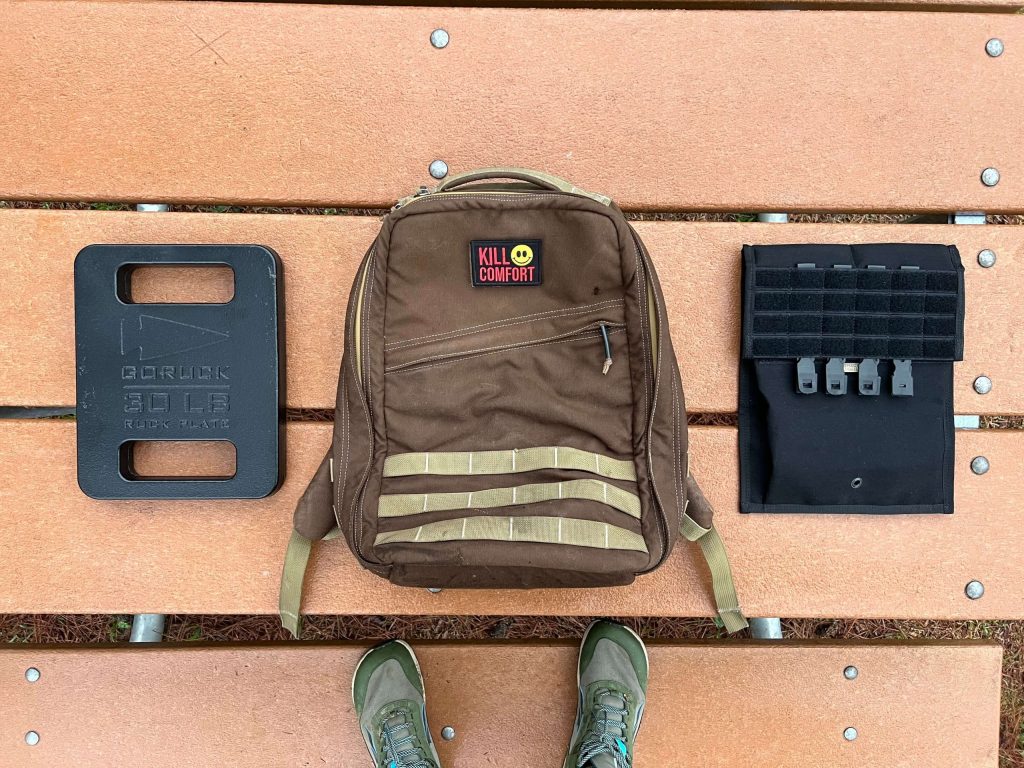


1. Choose the Right Backpack
Any sturdy backpack with padded straps will work at first. Make sure it fits snugly and doesn’t bounce while walking.
2. Start With Light Weight
For beginners:
- 10–20 pounds is plenty
- Use books, water bottles, or sandbags if you don’t have weights
The goal is consistency, not suffering.
3. Focus on Posture
- Stand tall
- Keep your shoulders back
- Engage your core
Good posture prevents back and shoulder strain.
4. Pick an Easy Route
Flat ground is ideal when starting. Save hills and trails for later.
5. Set Simple Goals
Begin with:
- 20–30 minutes
- 1–2 miles
- 2–3 sessions per week
This approach makes rucking for beginners sustainable and enjoyable.
Common Beginner Mistakes to Avoid
Even simple workouts can go wrong if rushed.
Adding Too Much Weight Too Soon
This is the most common mistake. Heavier isn’t better if it leads to poor form or injury.
Ignoring Footwear
Wear comfortable walking shoes or boots with good support. Blisters can derail motivation fast.
Overtraining
Rucking feels manageable, which can tempt beginners to do it every day. Rest days still matter.
How Often Should Beginners Ruck?
For best results:
- 2–4 sessions per week
- Mix shorter easy rucks with longer, slower ones
- Increase weight or distance gradually
Consistency matters far more than intensity when it comes to rucking for beginners.
Rucking vs Other Forms of Cardio
Rucking stands out because it blends strength and cardio into one session.
| Workout Type | Impact Level | Strength Benefit | Beginner-Friendly |
|---|---|---|---|
| Running | High | Low | ❌ |
| Cycling | Low | Low | ✅ |
| Hiking | Medium | Medium | ✅ |
| Rucking | Low | High | ✅✅ |
Nutrition Tips for Rucking Beginners
Fueling your body properly helps recovery and performance.
- Drink water before and after rucking
- Eat protein-rich meals for muscle recovery
- Don’t overthink supplements, whole foods work fine
Frequently Asked Questions About Rucking for Beginners
Is rucking safe for beginners?
Yes, when started with light weight and good posture, rucking is very safe.
Can I ruck every day?
Beginners should start with 2–4 days per week to allow recovery.
Do I need special equipment?
No. A basic backpack and household items for weight are enough.
How heavy should my ruck be?
Start with 10–20 pounds and increase slowly as your strength improves.
Is rucking better than running?
For many beginners, yes. It’s lower impact and easier to sustain long term.
Can rucking help with weight loss?
Absolutely. Rucking burns calories and supports lean muscle development.
Conclusion: Why Rucking Deserves More Respect
Rucking doesn’t promise quick fixes or flashy results. What it offers is far better: steady progress, real strength, and lasting toughness. For anyone new to fitness, or burned out from complicated routines, rucking for beginners is a powerful way to rebuild health from the ground up.
It’s simple. It’s effective. And it works.
Put on a pack, step outside, and start walking. Your body and mind will thank you.